

Hard Skills & Soft Skills: The True Lever of Professional Success

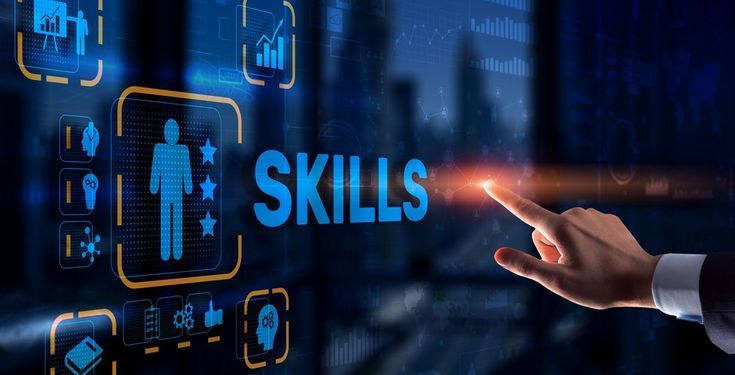
In today's workplace, acquiring and mastering key skills has become a necessity. These skills fall into two main categories: technical skills (hard skills) and behavioral skills (soft skills).
Technical skills are related to know-how specific to a field, while behavioral skills focus on interpersonal qualities and human attributes. Understanding their importance and integrating them into your professional profile is the royal road to a successful career.
Hard Skills: The Foundation of Your Expertise

Technical skills, also called hard skills, encompass a set of knowledge and know-how specific to a field of activity. They include the specialized expertise required to perform tasks related to a particular sector or position.
For example:
- In IT: programming, cybersecurity, or database management.
- In finance: analyzing financial data, applying regulations, or using accounting software.
Hard skills are essential for carrying out job-related tasks and are often measurable and assessable. They also evolve with technological advances, which is why continuous learning is indispensable throughout one's career.
However, technical skills alone are no longer enough to stand out — employers now place growing importance on soft skills.
Soft Skills: The Cement of Your Professional Integration

Soft skills are non-technical competencies related to how we interact with others and our ability to adapt to different professional situations. They include:
- Communication
- Teamwork
- Adaptability
- Organization
- Problem-solving
- Creativity
- Empathy
- Emotional intelligence
Unlike hard skills, soft skills are transferable across sectors. For example, the ability to communicate effectively is just as essential for an engineer as for a marketing manager.
As task automation increases, human skills are becoming more valuable. Employers recognize that while technical skills can be learned relatively easily, behavioral skills are often harder to develop. Profiles combining emotional intelligence, creativity, teamwork, and adaptability are especially sought after.
Hard Skills vs. Soft Skills
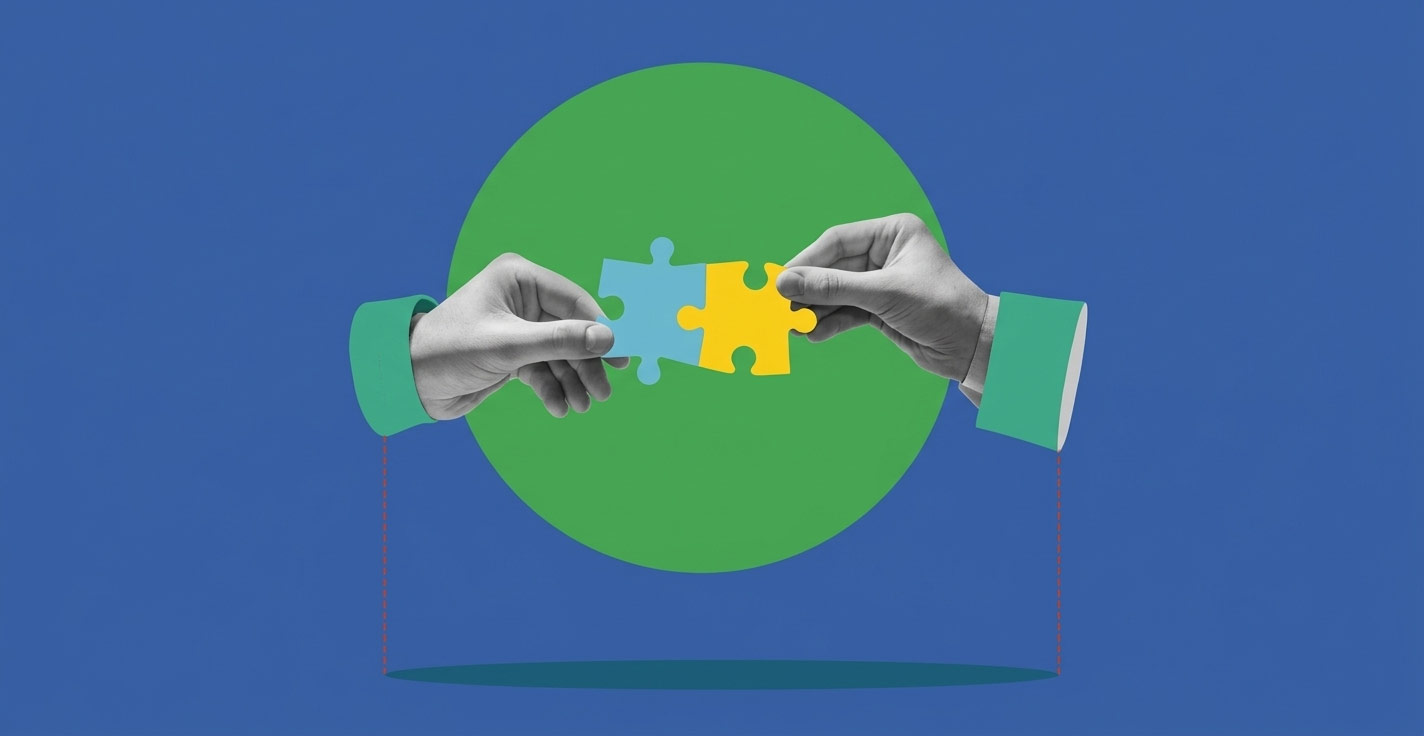
A balance between both is essential for professional success — they are complementary and inseparable.
- Hard skills provide the foundation to execute specific tasks.
- Soft skills facilitate collaboration, communication, and adaptation in the workplace.

Often underestimated, soft skills make the difference between a stagnant career and an evolving one. Hard skills can open doors, but soft skills are what allow you to grow and thrive professionally.
The Success Strategy: Showcasing Your Skills
Professional success is not just about having skills — it's also about knowing how to highlight them effectively:
- Identification & Assessment — Identify your hard and soft skills and analyze how they contributed to your past successes.
- Development — Keep learning and training to stay competitive in a constantly evolving environment.
- Promotion — Highlight your skills in your CV, during interviews, and in your professional communication.
The Future of Work: Continuous Skill Development
In a constantly changing world, continuous skill development is essential. Technological advances, such as artificial intelligence, are redefining professions and professional requirements. To remain relevant, it is crucial to adapt, keep learning, and cultivate both hard and soft skills.
Conclusion
Succeeding in the workplace requires mastering a balanced set of technical and behavioral skills. It is their combination that allows you to stand out, progress, and thrive sustainably in your career.


_11zon.webp)
_1_2_3_4_5.webp)
.webp)

.webp)